|
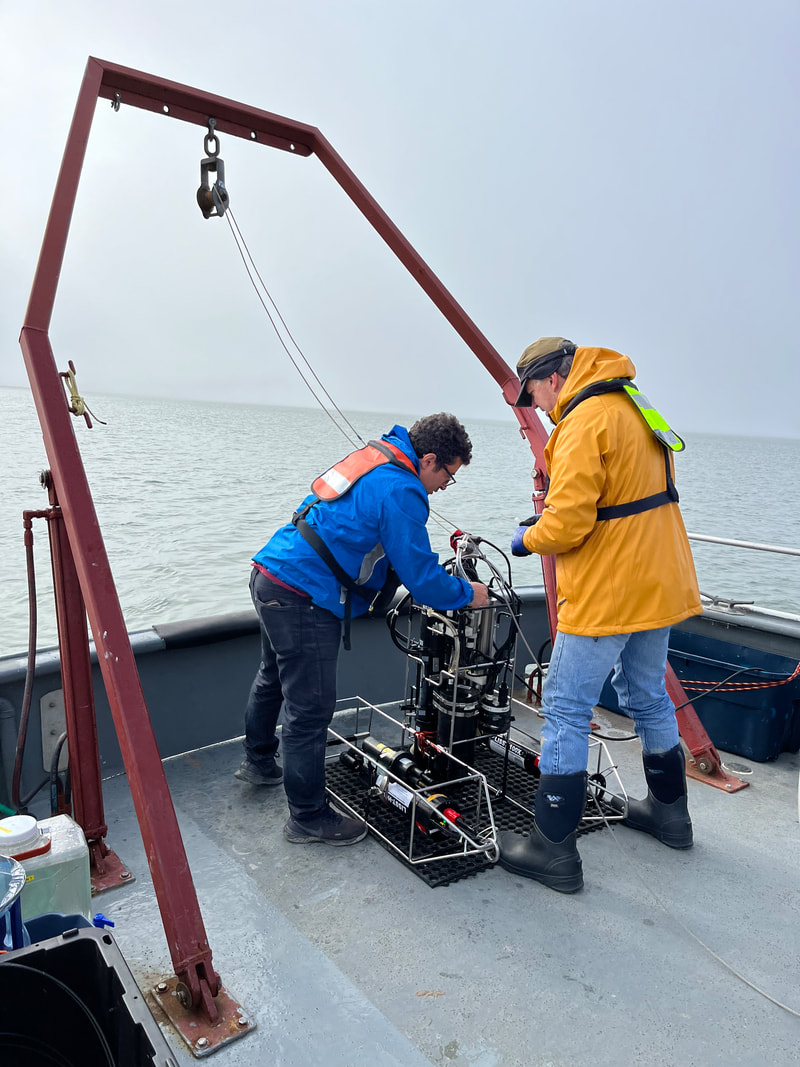
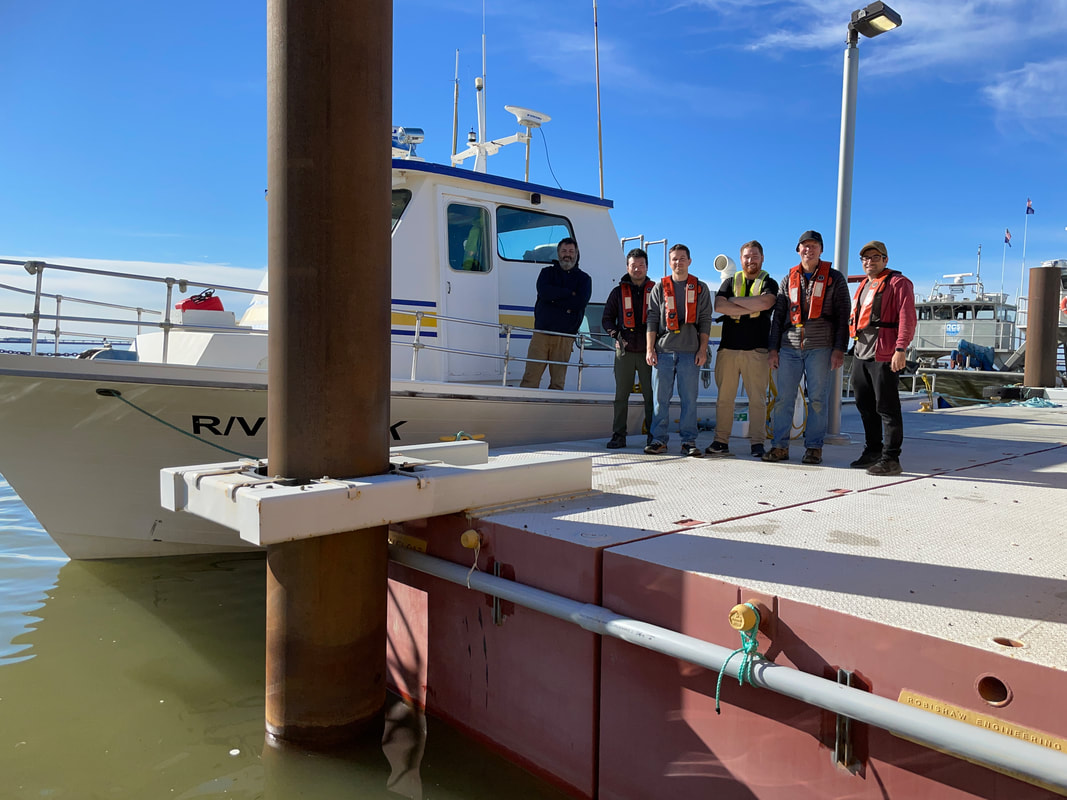
By Jonathan Sherman 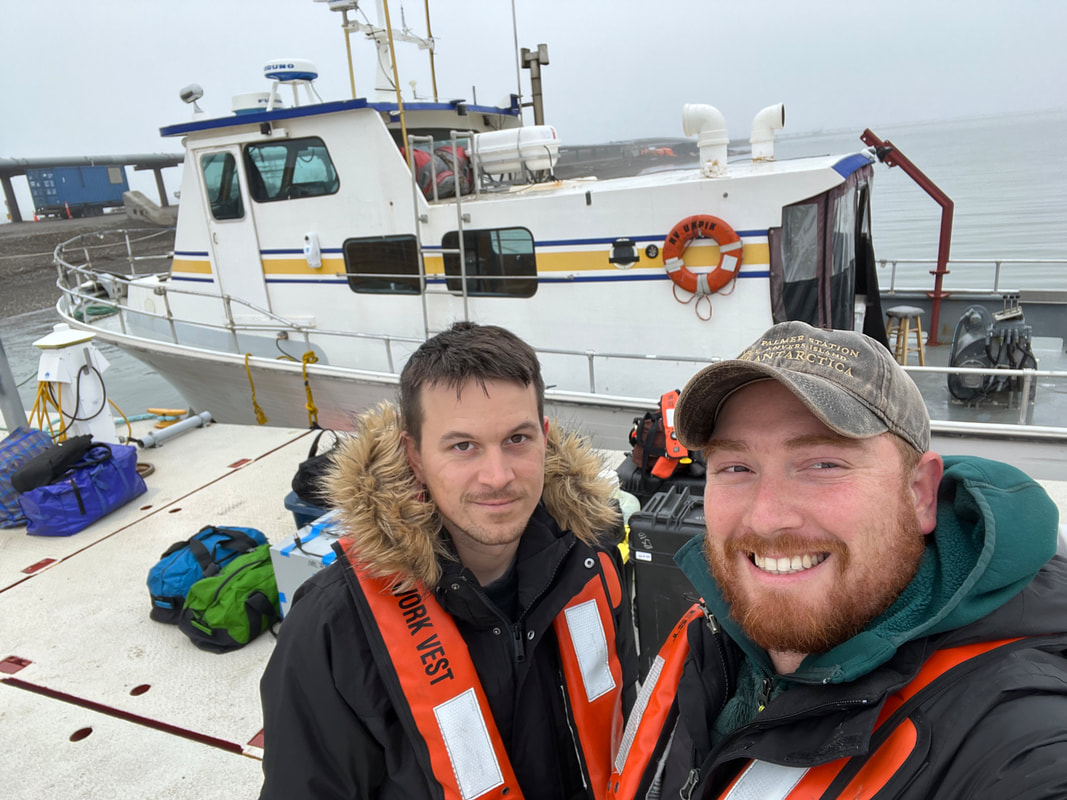 Kyle and Jonathan loading equipment onto R/V Ukpik We recently returned home from a successful field campaign along the North slope of Alaska, where we studied the optical properties of coastal Arctic waters to support a research project on remote sensing of environmental change in arctic coastal aquatic ecosystems. This is one of our lab’s projects focusing on Arctic systems with collaborators from the Navel Research Laboratory, NASA, and the University of Alaska Fairbanks. For this project, we travelled to Prudhoe Bay, the terminus of the “Dalton highway” built to support the Trans-Alaska pipeline originating in the many oil fields of Prudhoe Bay. At Prudhoe Bay, we met Captain Mike Fleming and boarded R/V Ukpik, a 50-ft research vessel supporting scientific Arctic research for 35 years. Aside from overcast skies (not ideal for some of our above-water radiometry), we enjoyed great weather that allowed us to sample most of our intended stations over five days.
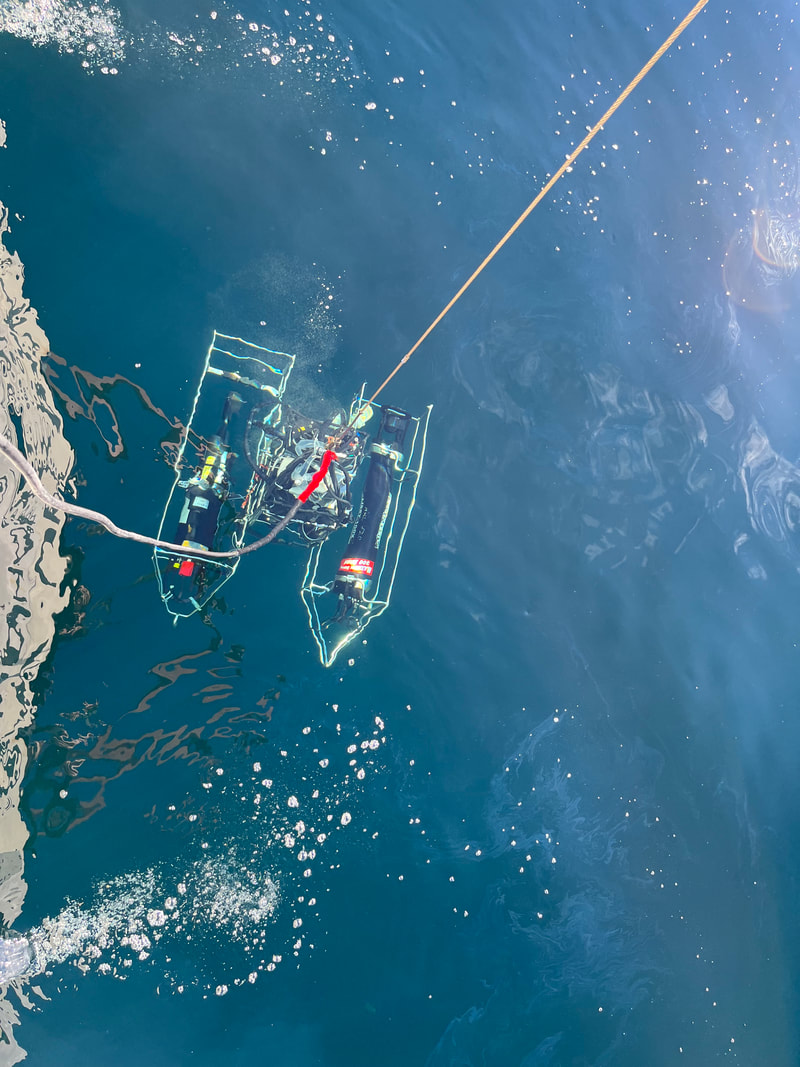
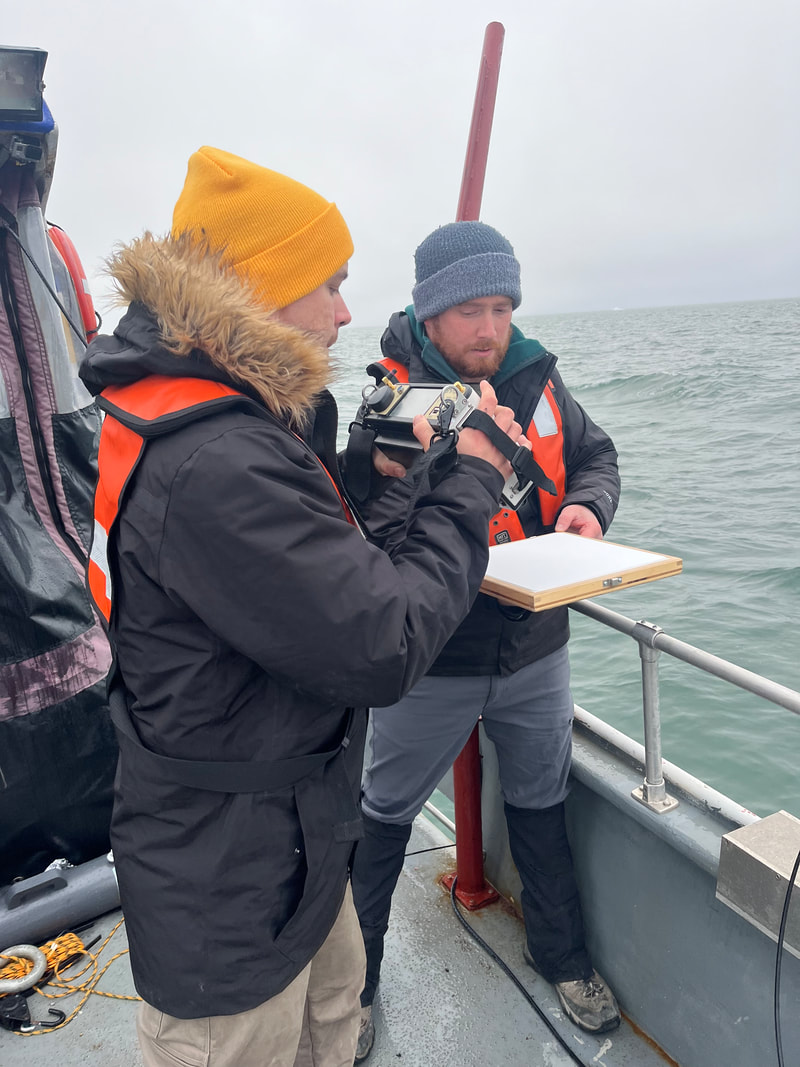
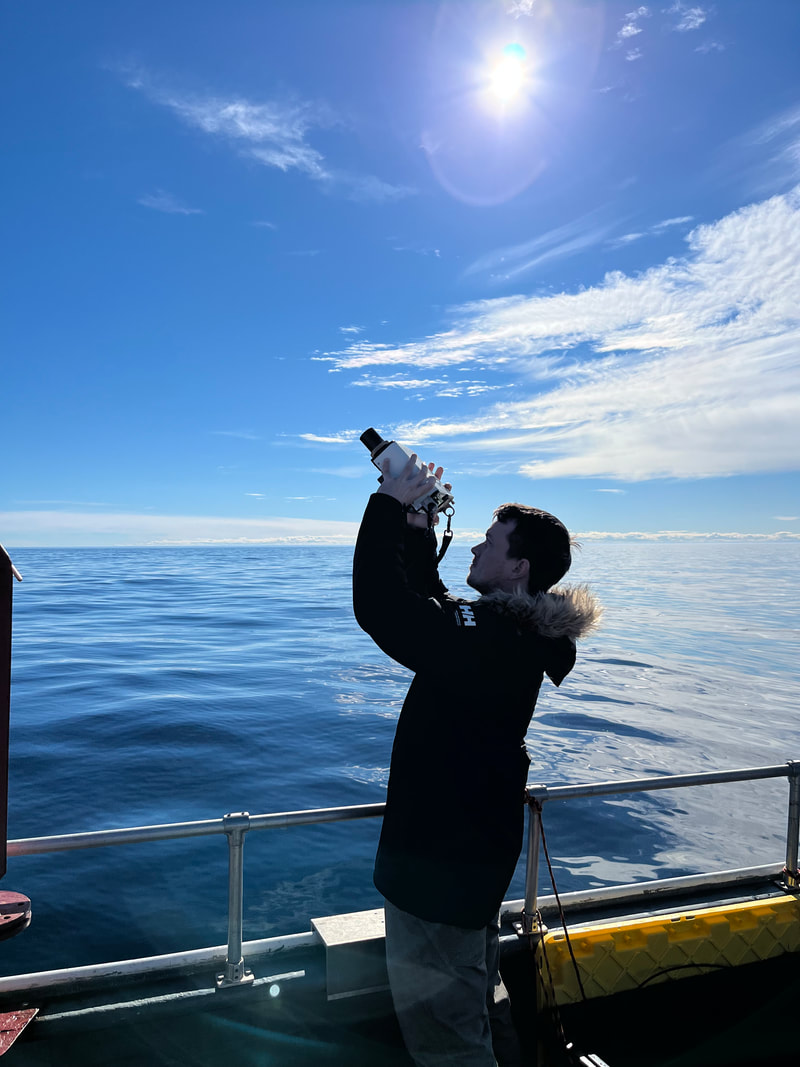
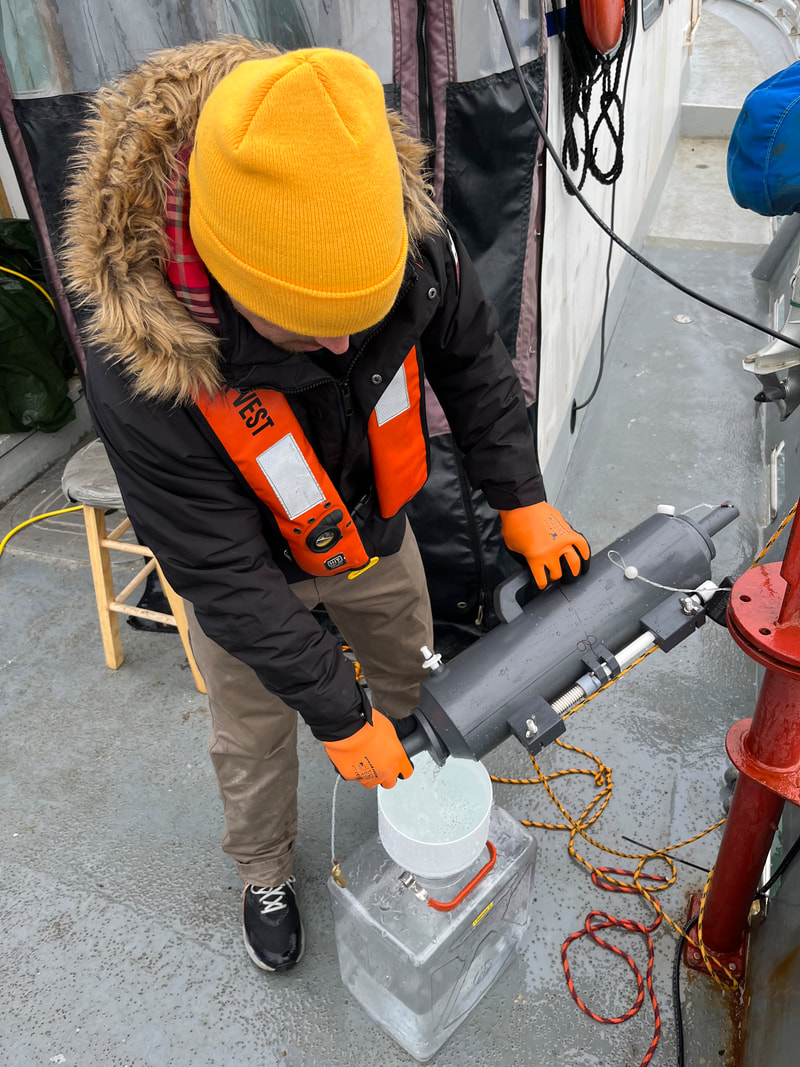
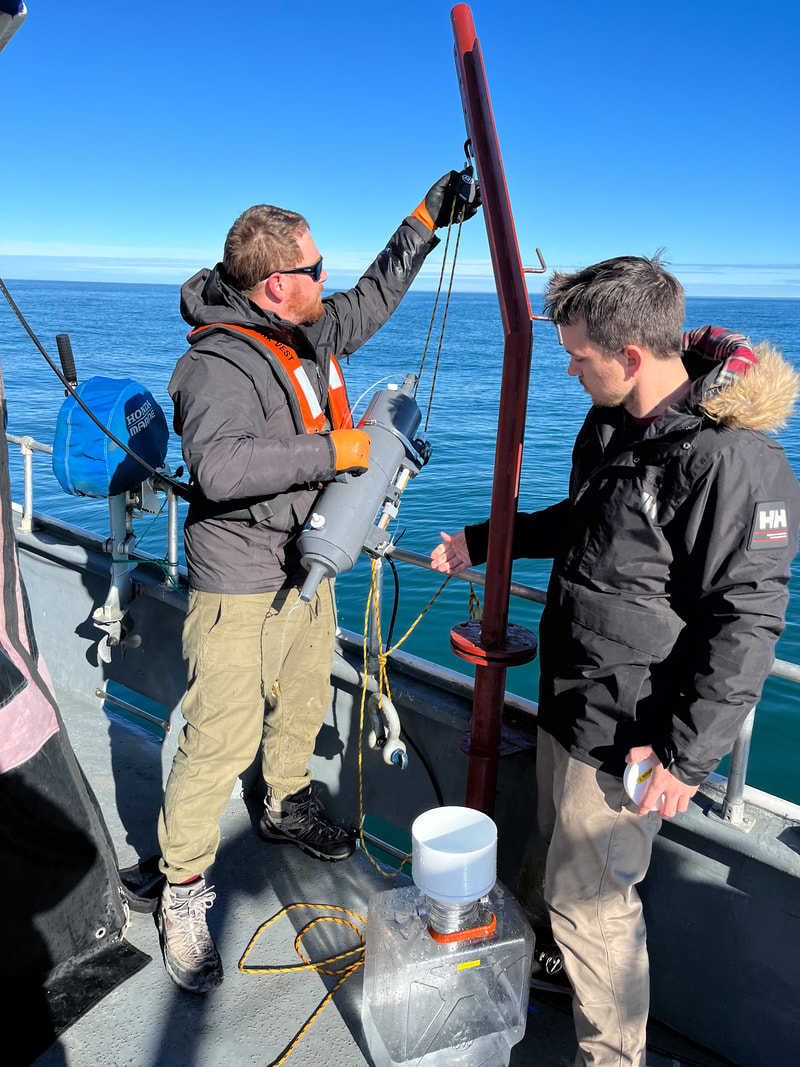
Our research plan included sampling stations from the mouths of the Colville, Kuparuk and Sagavanirktok rivers and out towards the open waters. These rivers are three of the largest river system on the North Slope. We aimed to capture the transition in the optical properties of the water as they transition from riverine and coastal waters to open ocean waters. A typical station included deploying an optic package that measured several inherent optical properties of the water, such as absorption and scattering of light by various water constituents, above-water radiometry measurements (essentially measuring the color of the water surface) as well as surface water collection. At the end of each day, we anchored in the shelter of the barrier islands, where we filtered the water samples for various analyses, such as phytoplankton and nutrient concentrations and other components of the marine carbon cycle.
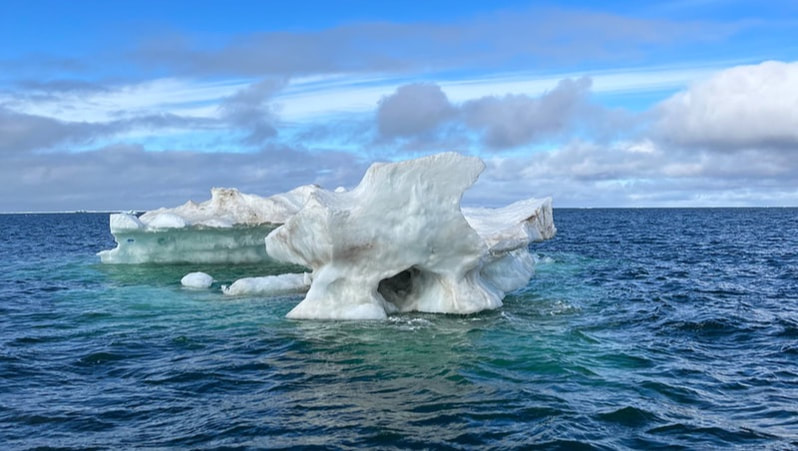
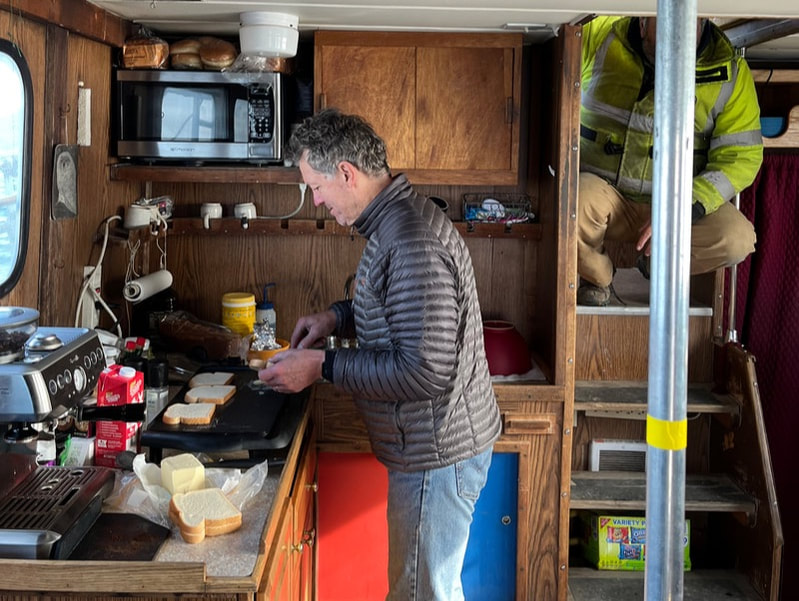
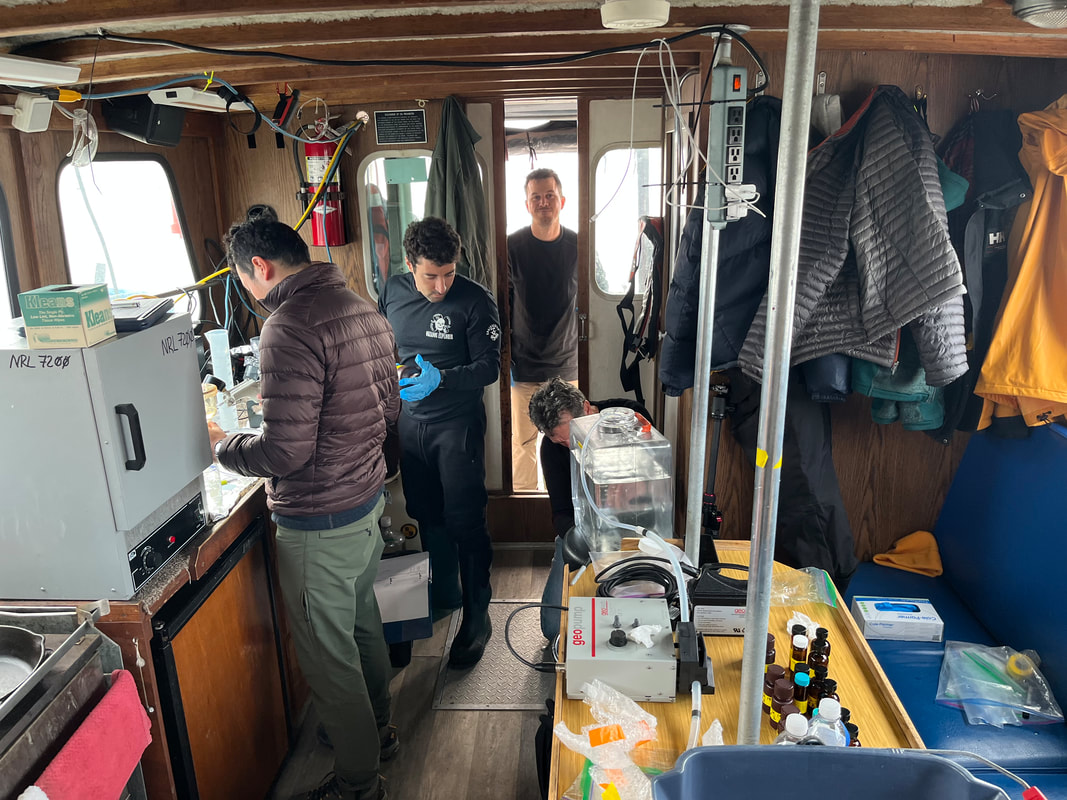 End of day filtering Life on R/V Ukpik was somewhat tight but still comfortable. We took turns making breakfast and lunches between stations and every evening enjoyed gourmet dinners made by Captain Mike (like Stake night, hamburger night and pasta night). We were extremely lucky on our first day out to see a pair of polar bears (a mom and a pup) napping on a small island before our boat disturbed their slumber. Further offshore, we came across large areas of sea ice, remnants of the previous winter. We spent a lot of time hearing about Captain Mike’s previous experiences doing research and other work in the Arctic. 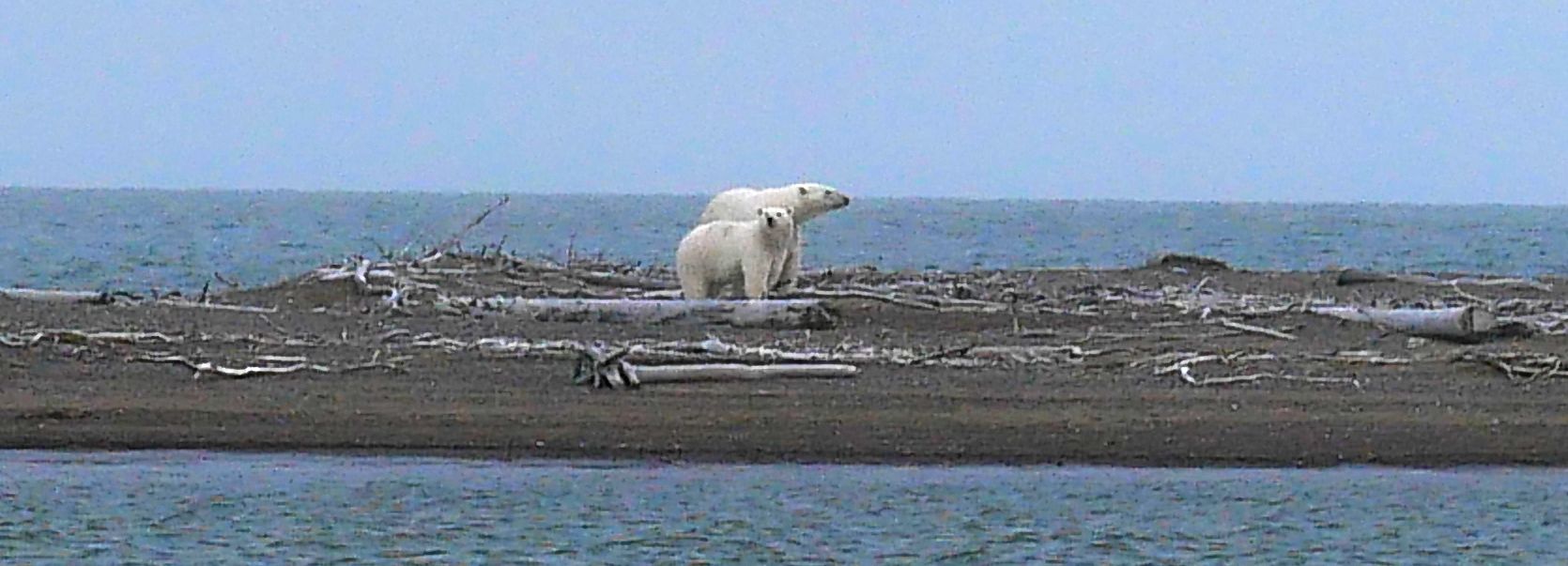 Polar bears When not on the boat, we enjoyed our time at the Aurora hotel, one of several hotels that house and feed the many oil industry employees. There is not much to do there aside from many hours of pool and ping pong, but we were able to spend a few hours driving South on the Dalton highway, where we saw vast arctic tundra scenery and the Sagavanirktok River. The research cruise and drive down the highway were amazing and really emphasized how remote this region of the world is and how lucky we are to study it.
0 Comments
Leave a Reply. |
Archives
June 2023
Categories |
 RSS Feed
